
Equality Health Foundation
Turning public health data into civic action
I helped shape the UX behind a responsive platform that translated ZIP-code-level life expectancy data into personalized reports people could share with elected officials. Gold + Silver Cannes Lions winner.
Role
Product Designer
Platform
Responsive Web
Team
10+ cross functional teams
Timeline
24 months
Role
Product Designer
Platform
Responsive Web
Team
10+ cross functional teams
Timeline
24 months
10K+
10K+
reports to officials
reports to officials
200K
200K
visits in week 1
visits in week 1
3min+
3min+
session length
session length
Adopted in
Adopted in
PHX/NY
PHX/NY
Key Contributions
ZIP → Report flow
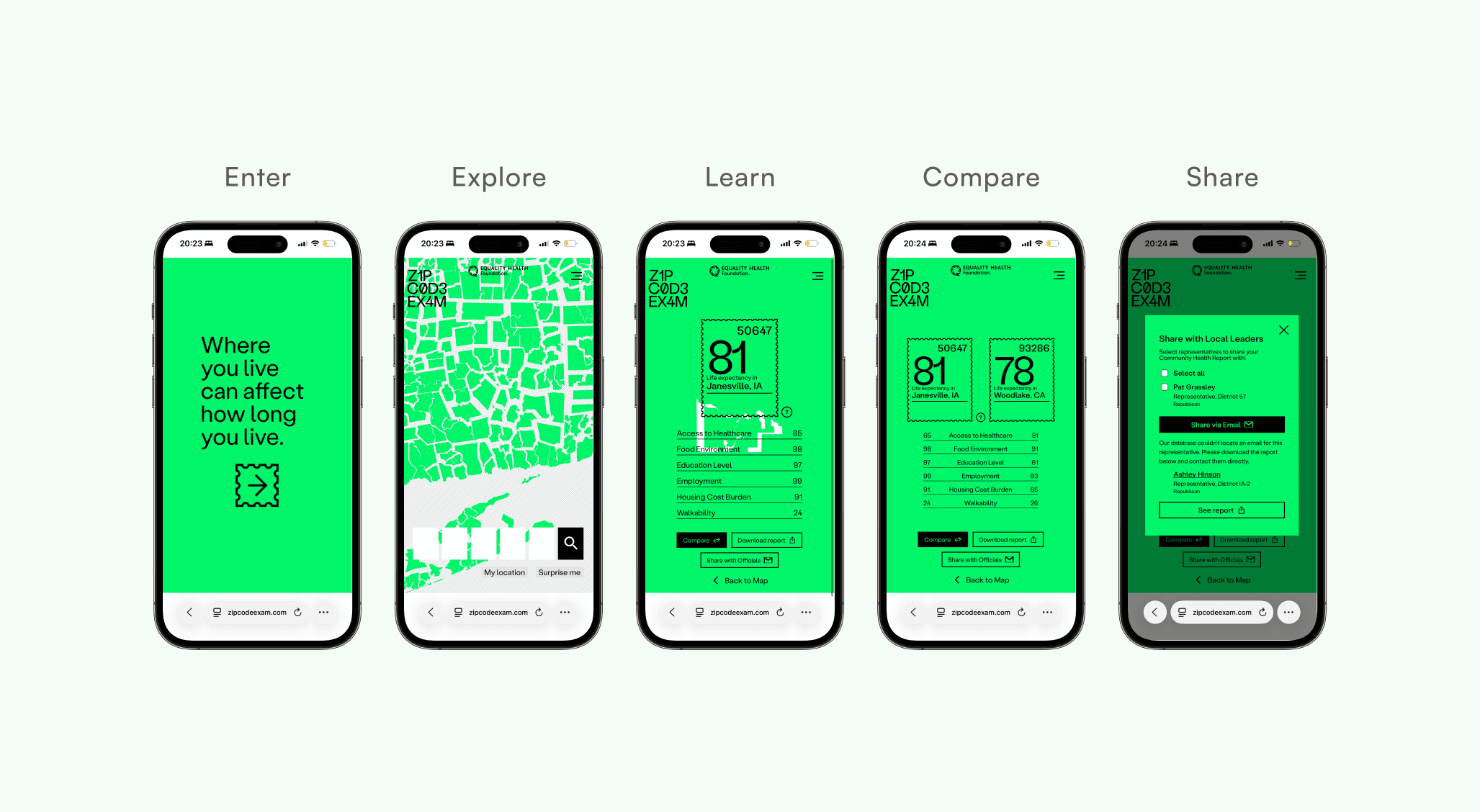
Designed the end-to-end path to remove navigation bottlenecks and improve completion.
Modular report system
Built reusable components to support scale across data types and geographies.
Cross-functional leadership
Navigated legal, ADA, QA, and eng constraints across the full build.
Design system foundation
Systemized components ahead of phase 2 expansion.
Project Overview
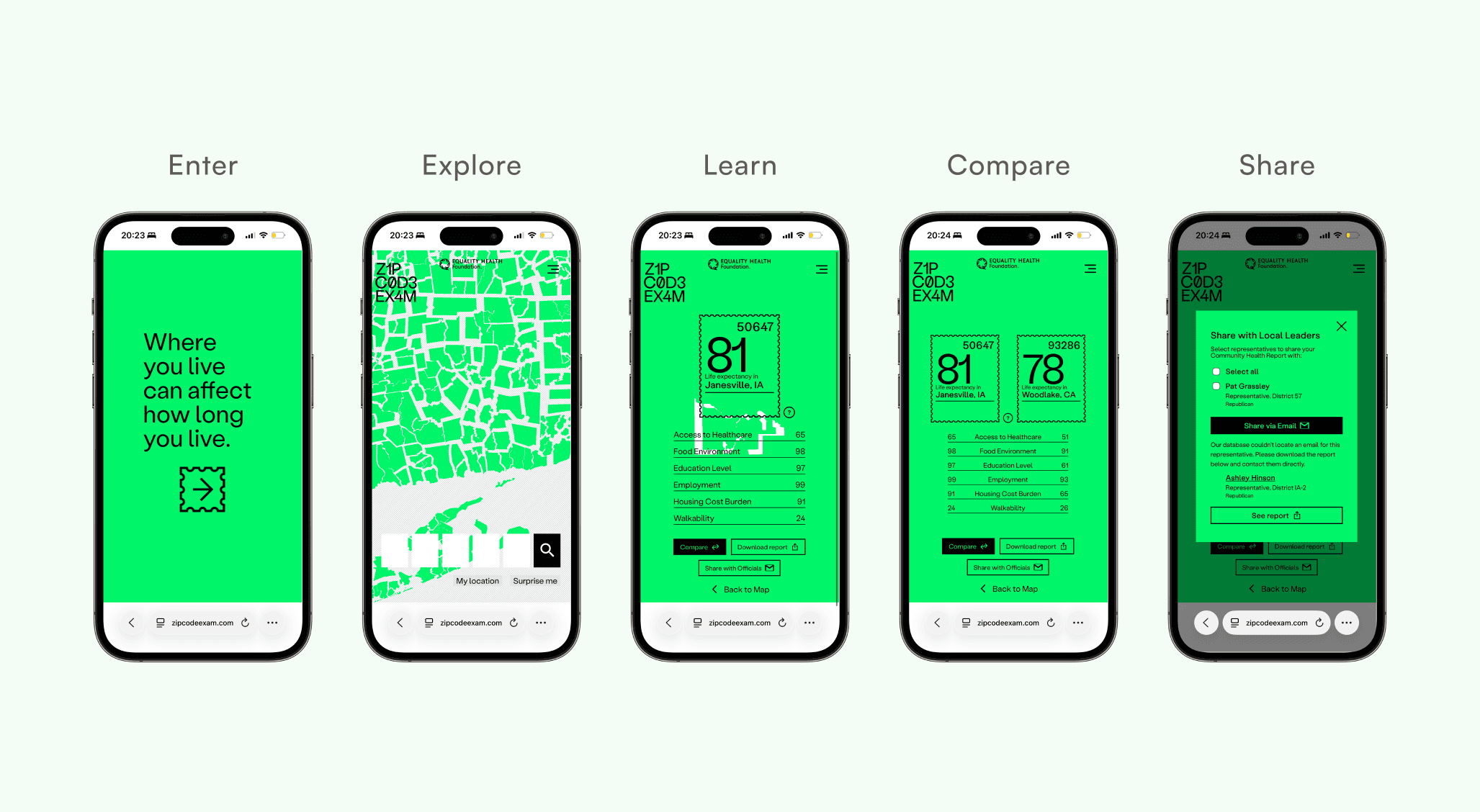
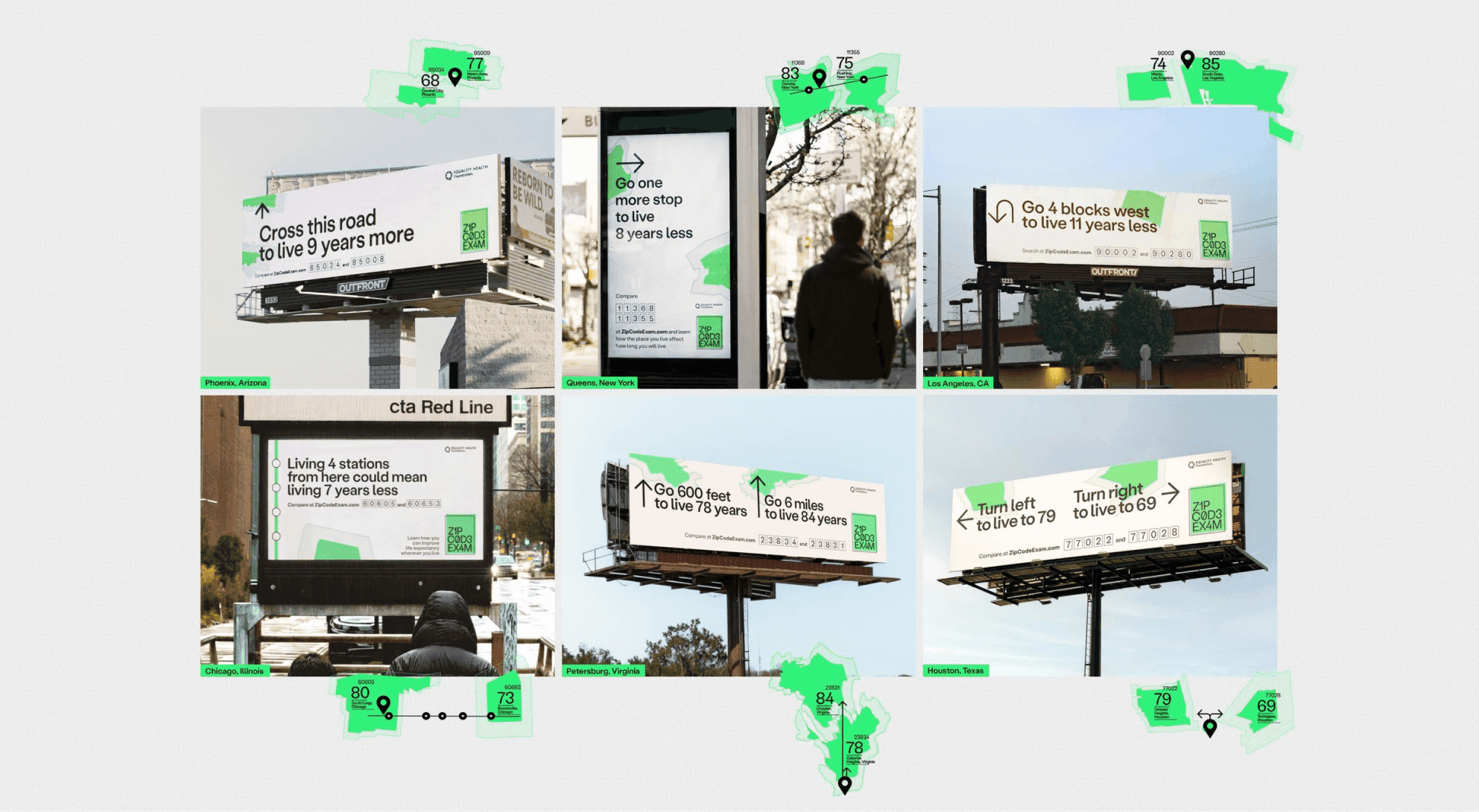
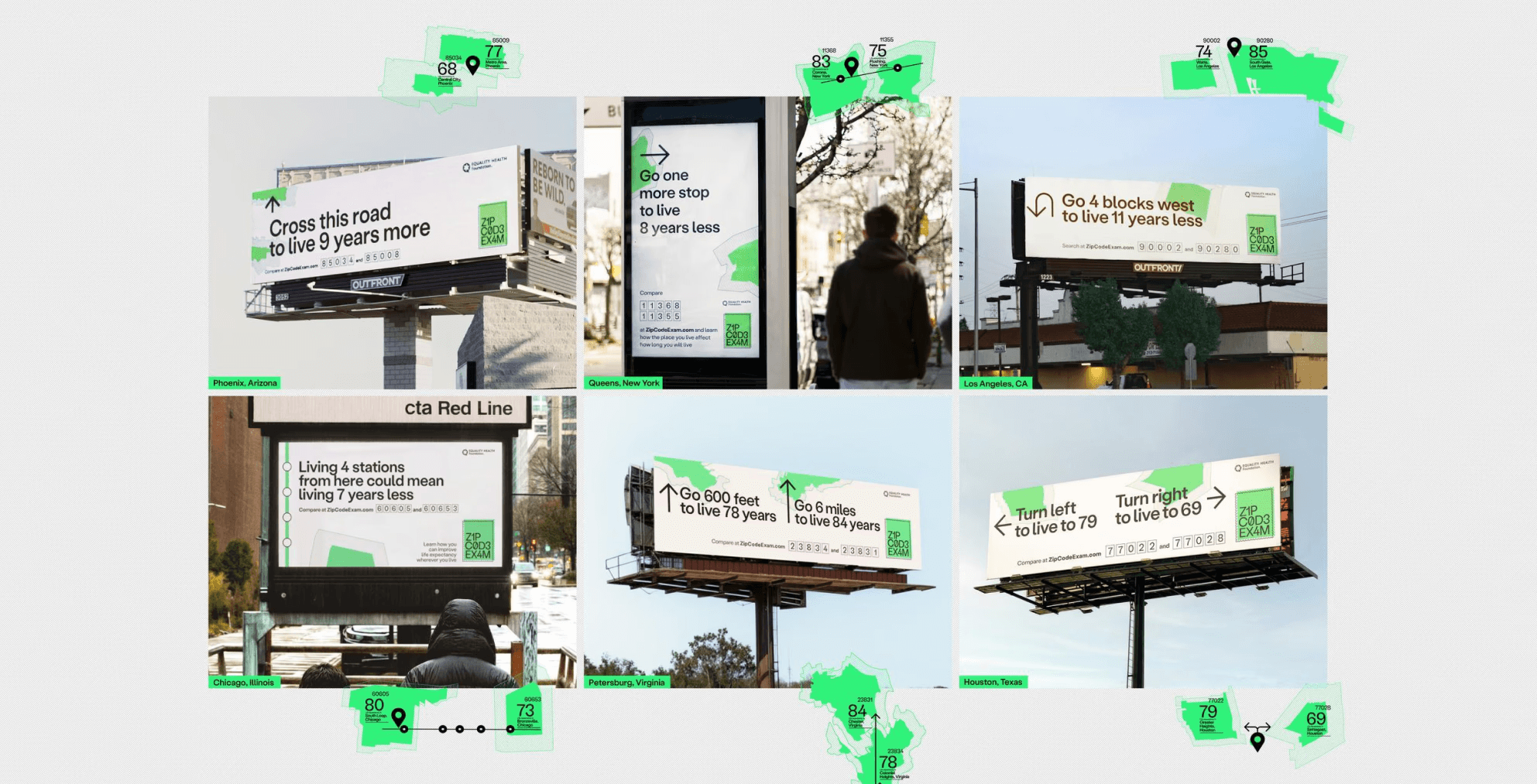
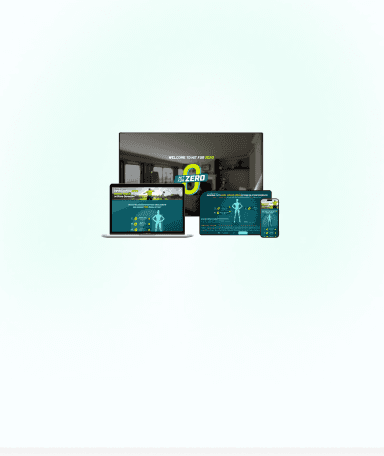
In the U.S., your ZIP code can predict your life expectancy more than your DNA. The Zip Code Exam visualizes this health disparity through a responsive platform that lets users generate personalized Community Health Reports to share with local leaders.
Equality Health Foundation: Zip Code Exam
Business Context
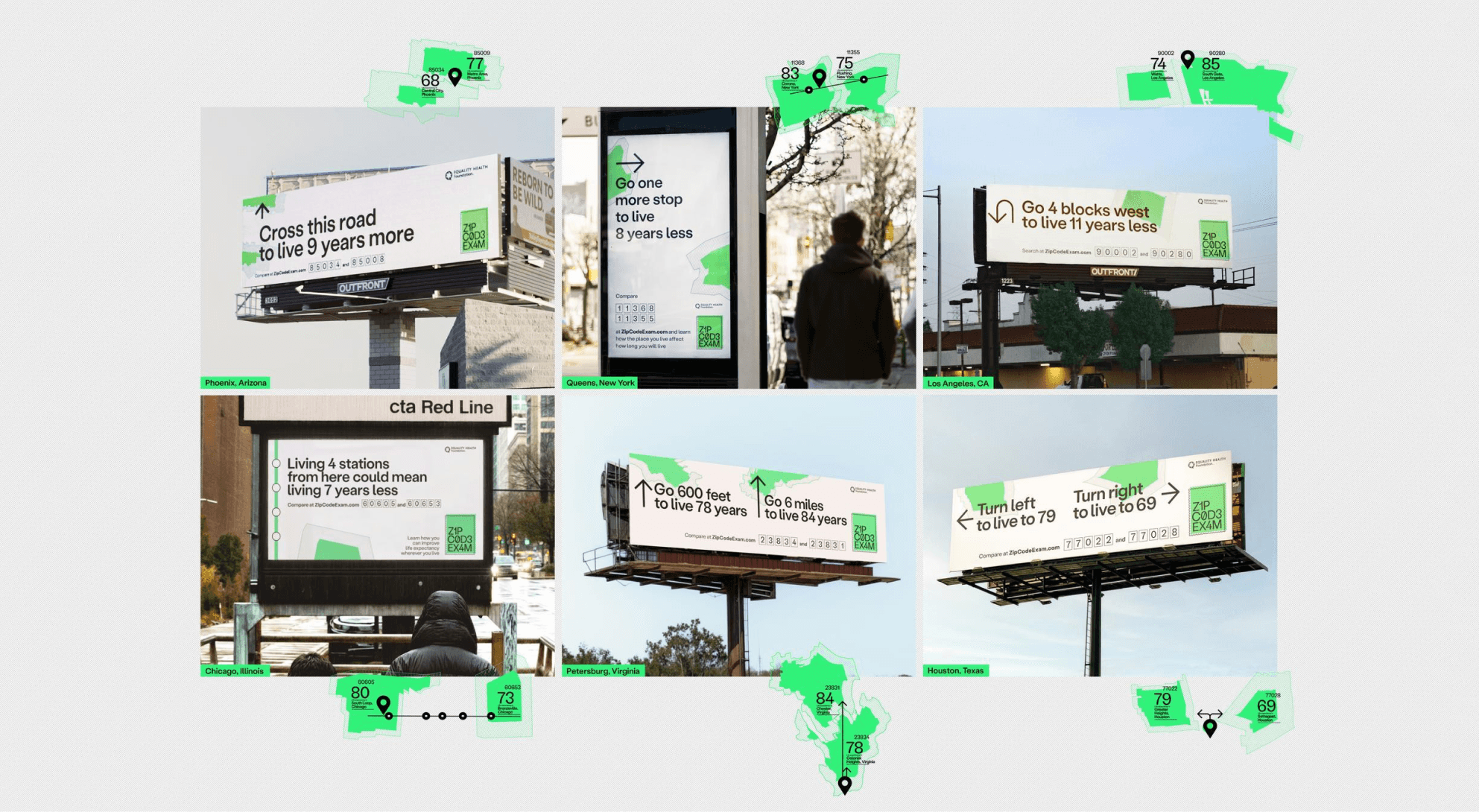
This was a two-year initiative led by a nonprofit partner and a creative agency, with the final sprint triggered by a national OOH campaign and Cannes submission deadline. Our goal: launch a legally compliant, responsive site that transforms public health data into personalized, shareable reports users could send to elected officials.
Data Made Simple
900,000 data points simplified into ZIP-based scores.
Accessibility Requirements
Compliance needs constrained visual hierarchy and interface choices.
Static to Interactive Reports
Initial PDFs were static and didn’t guide users toward civic engagement.
Business Context
This was a two-year initiative led by a nonprofit partner and a creative agency, with the final sprint triggered by a national OOH campaign and Cannes submission deadline. Our goal: launch a legally compliant, responsive site that transforms public health data into personalized, shareable reports users could send to elected officials.
Data Made Simple
900,000 data points simplified into ZIP-based scores.
Accessibility Requirements
Compliance needs constrained visual hierarchy and interface choices.
Static to Interactive Reports
Initial PDFs were static and didn’t guide users toward civic engagement.
Problem 1 - Data Made Simple
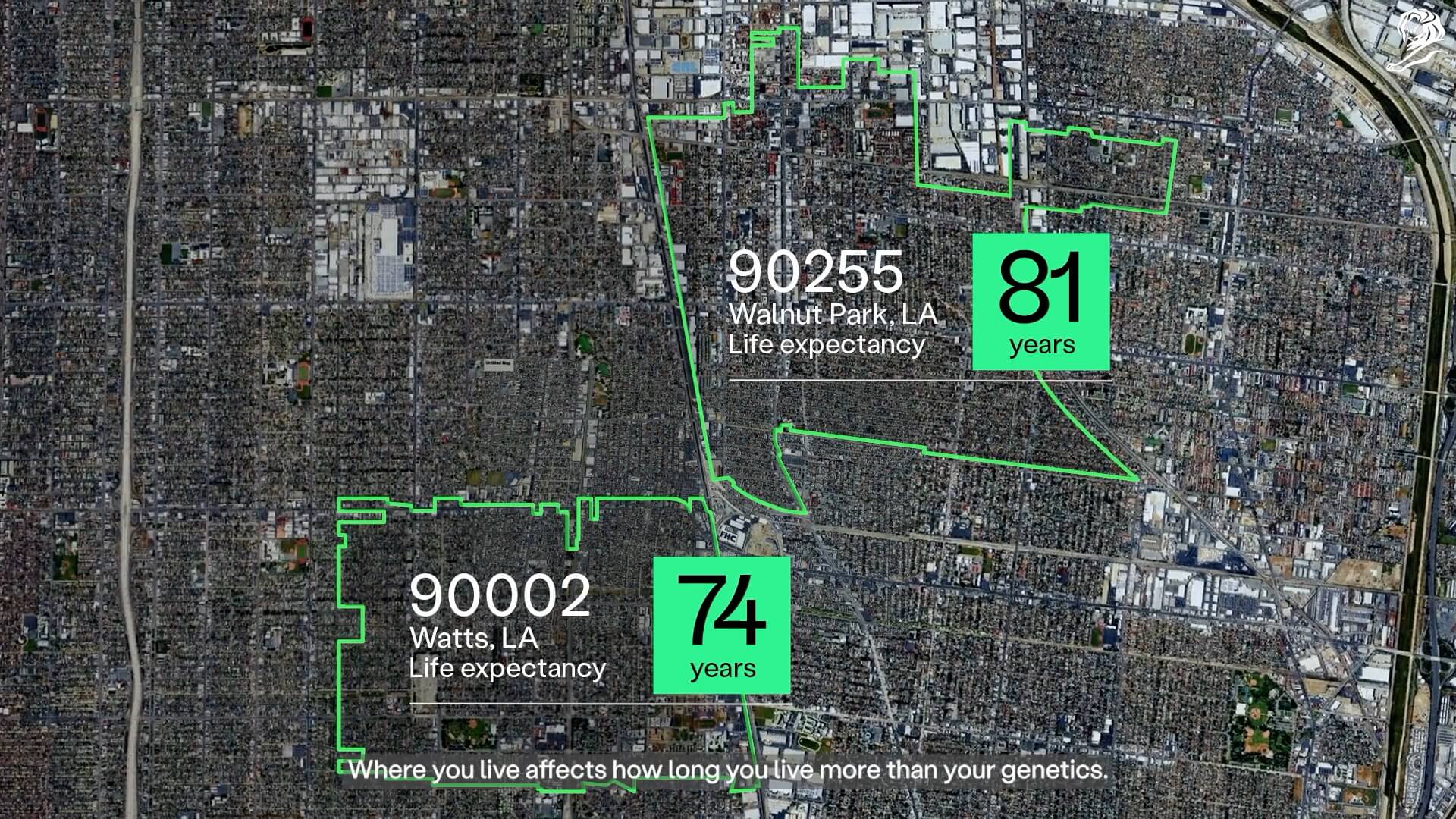
Most people don’t know how to access or interpret community-level health data. It often feels irrelevant.
Solution
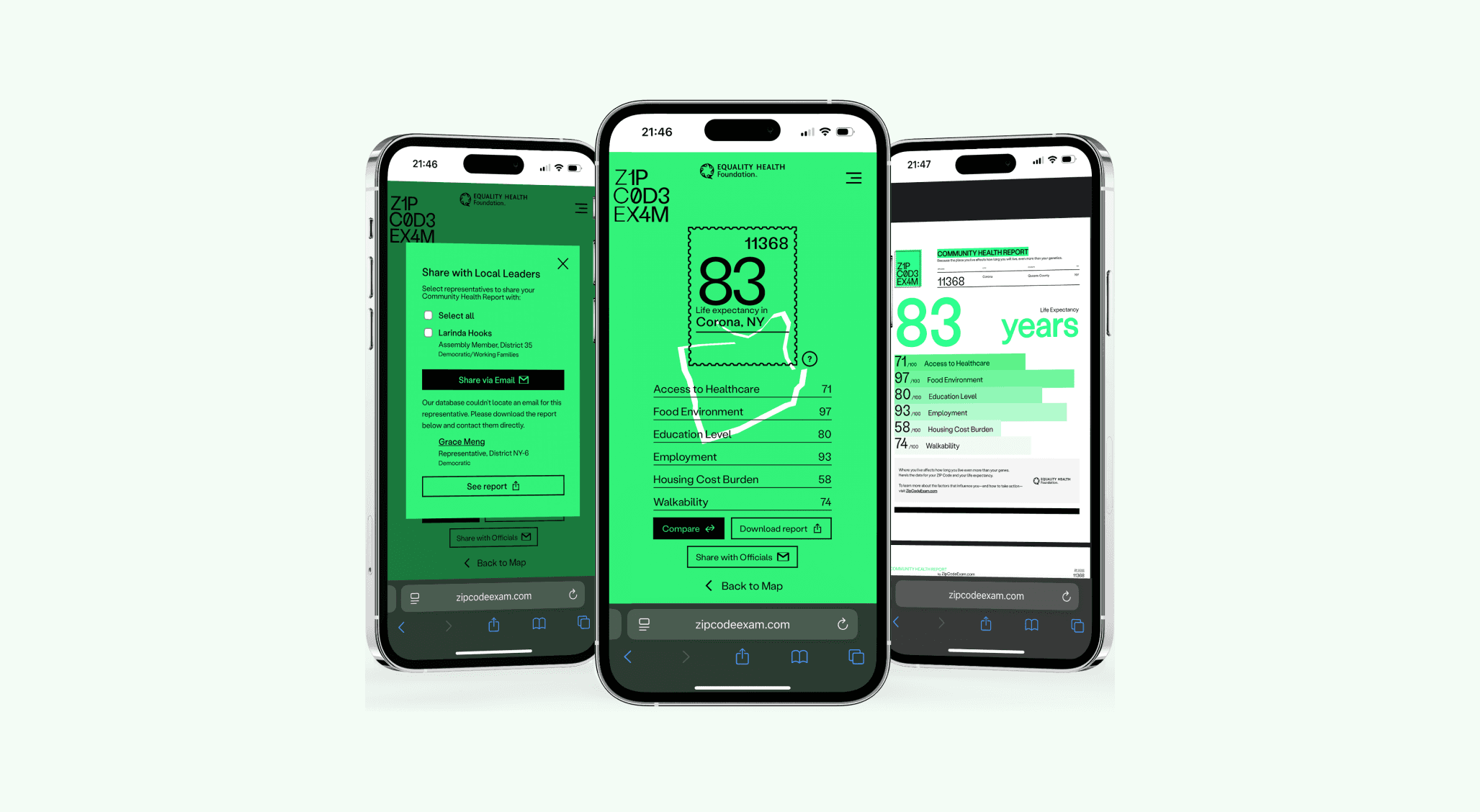
We built a ZIP-based input that instantly generates a Community Health Report. The report uses visual cues, simple copy, and a stamp-like metaphor to make the issue personal. A prominent "Share with Local Leaders" CTA made it easy to take action.
Problem 1 - Data Made Simple
Most people don’t know how to access or interpret community-level health data. It often feels irrelevant.
Solution
We built a ZIP-based input that instantly generates a Community Health Report. The report uses visual cues, simple copy, and a stamp-like metaphor to make the issue personal. A prominent "Share with Local Leaders" CTA made it easy to take action.
Problem 1 - Data Made Simple
Most people don’t know how to access or interpret community-level health data. It often feels irrelevant.
Solution
We built a ZIP-based input that instantly generates a Community Health Report. The report uses visual cues, simple copy, and a stamp-like metaphor to make the issue personal. A prominent "Share with Local Leaders" CTA made it easy to take action.
Problem 2 - Accessibility Requirements
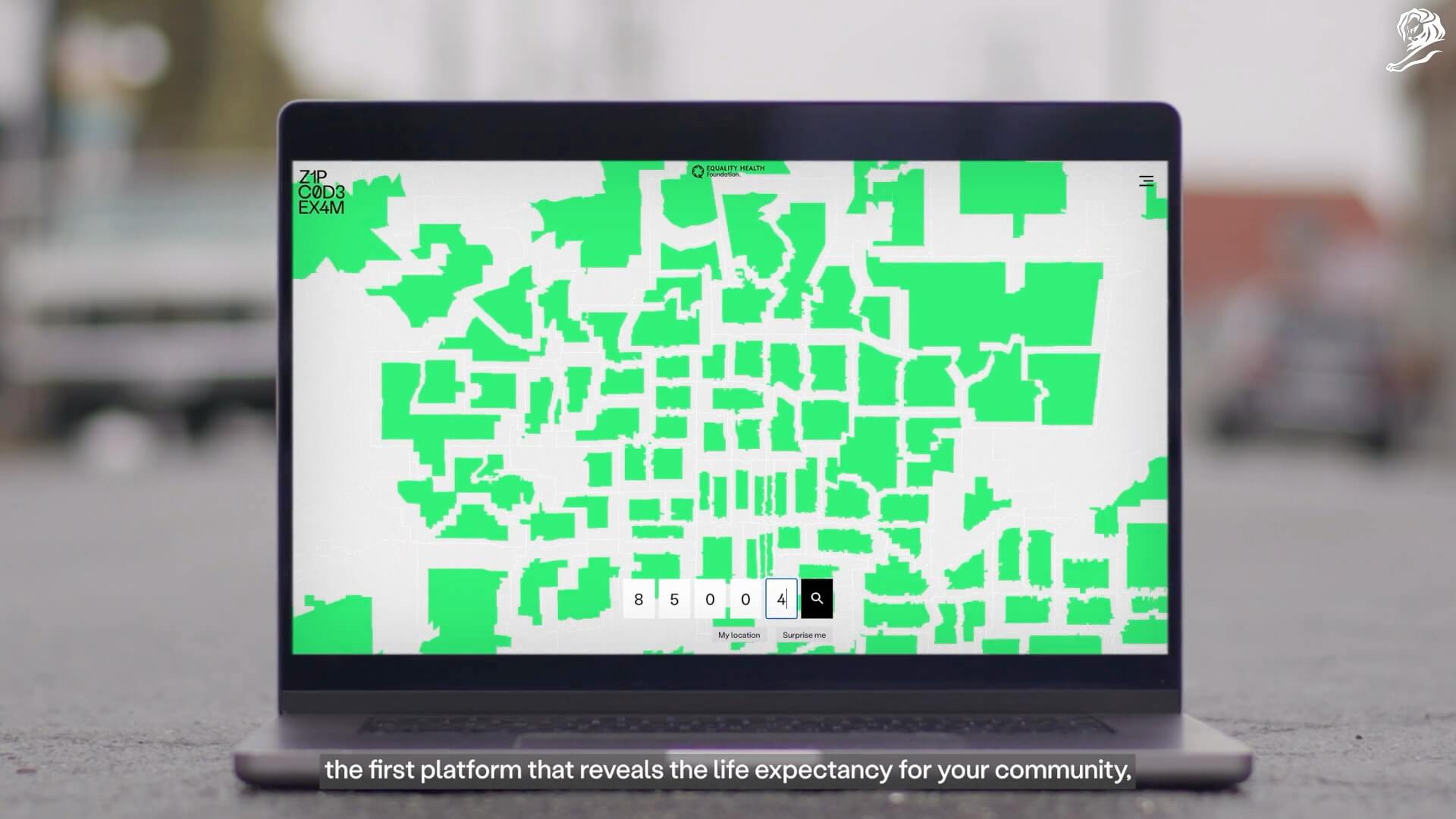
Strict ADA and legal guidelines limited visual choices, especially on mobile. For example, color contrast and cookie banners were hiding the ZIP input on mobile.
Solution
Partnered with UX, ADA reviewers, and developers to fix critical mobile UI issues: repositioned layout after cookie dismissal, improved map/text scaling, and enhanced contrast and tab navigation for full accessibility compliance.
Problem 2 - Accessibility Requirements
Strict ADA and legal guidelines limited visual choices, especially on mobile. For example, color contrast and cookie banners were hiding the ZIP input on mobile.
Solution
Partnered with UX, ADA reviewers, and developers to fix critical mobile UI issues: repositioned layout after cookie dismissal, improved map/text scaling, and enhanced contrast and tab navigation for full accessibility compliance.
Problem 2 - Accessibility Requirements
Strict ADA and legal guidelines limited visual choices, especially on mobile. For example, color contrast and cookie banners were hiding the ZIP input on mobile.
Solution
Partnered with UX, ADA reviewers, and developers to fix critical mobile UI issues: repositioned layout after cookie dismissal, improved map/text scaling, and enhanced contrast and tab navigation for full accessibility compliance.
Problem 3- Static to Interactive Reports
The initial PDF report was informative but lacked direction.
Solution
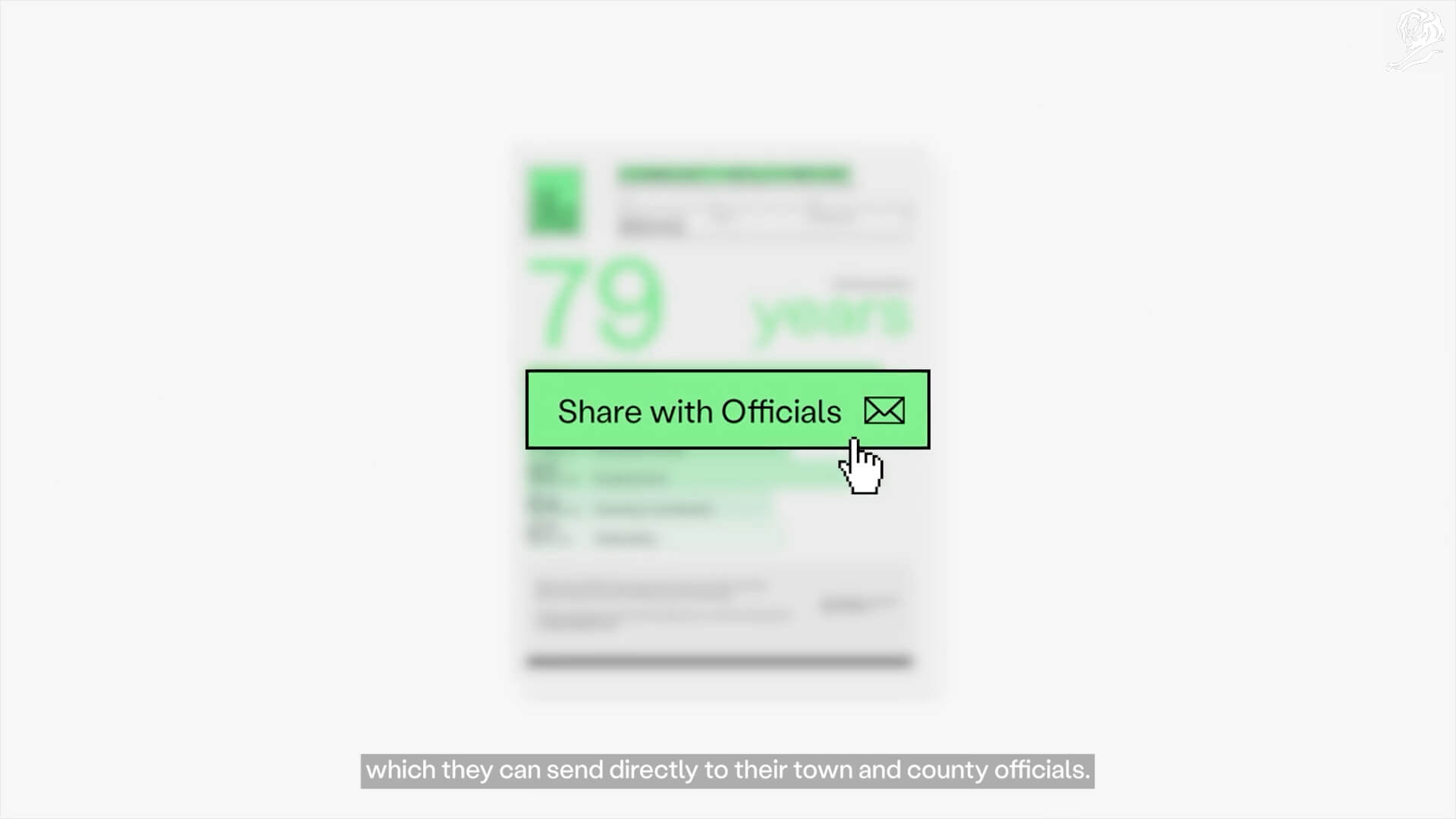
We added a second PDF page with a "Send to officials" CTA and local leader details, clear layout optimized for readability and screen readers, and consistent formatting tested across all devices.
Problem 3- Static to Interactive Reports
The initial PDF report was informative but lacked direction.
Solution
We added a second PDF page with a "Send to officials" CTA and local leader details, clear layout optimized for readability and screen readers, and consistent formatting tested across all devices.
Problem 3- Static to Interactive Reports
The initial PDF report was informative but lacked direction.
Solution
We added a second PDF page with a "Send to officials" CTA and local leader details, clear layout optimized for readability and screen readers, and consistent formatting tested across all devices.
Conclusion
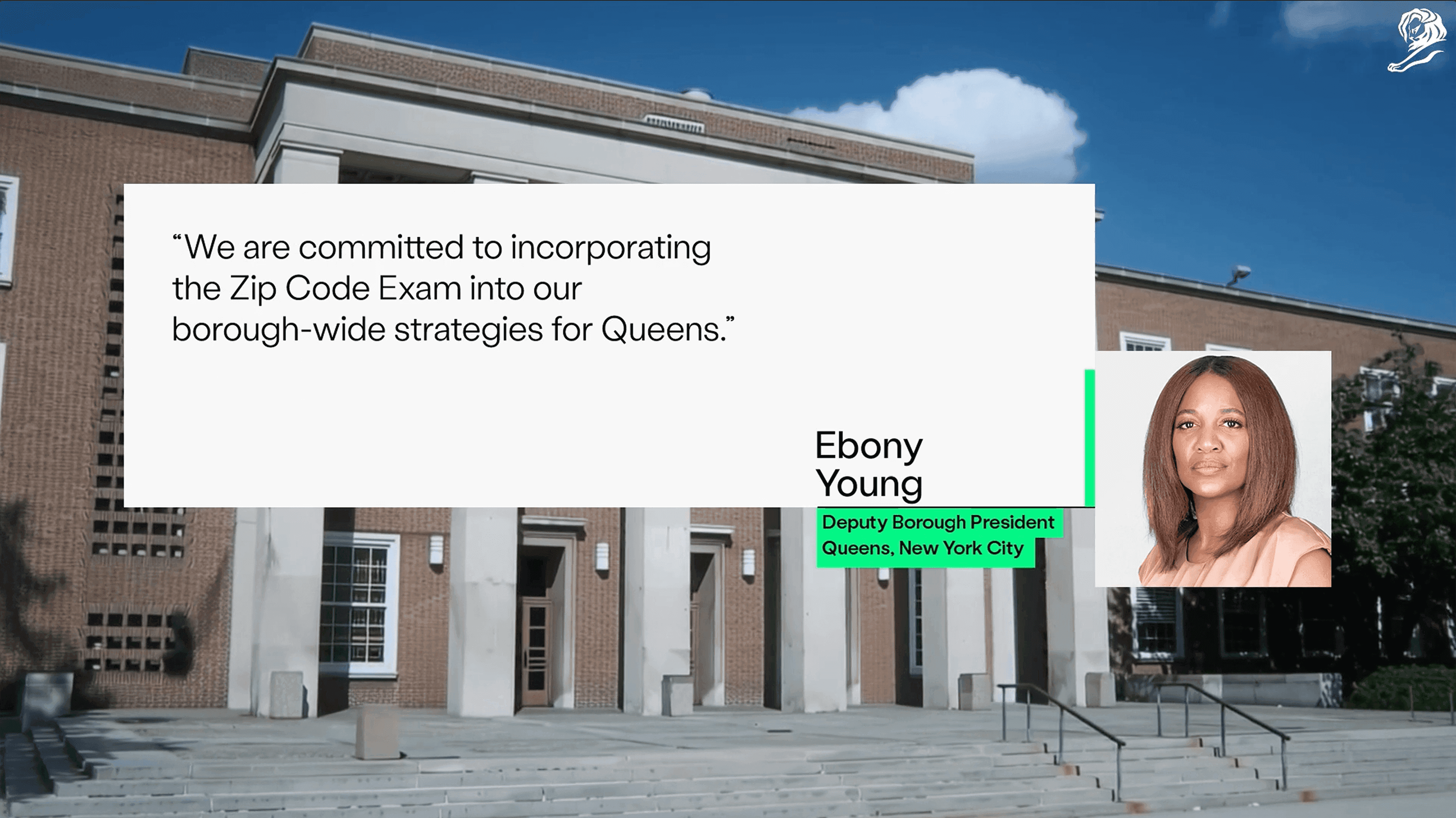
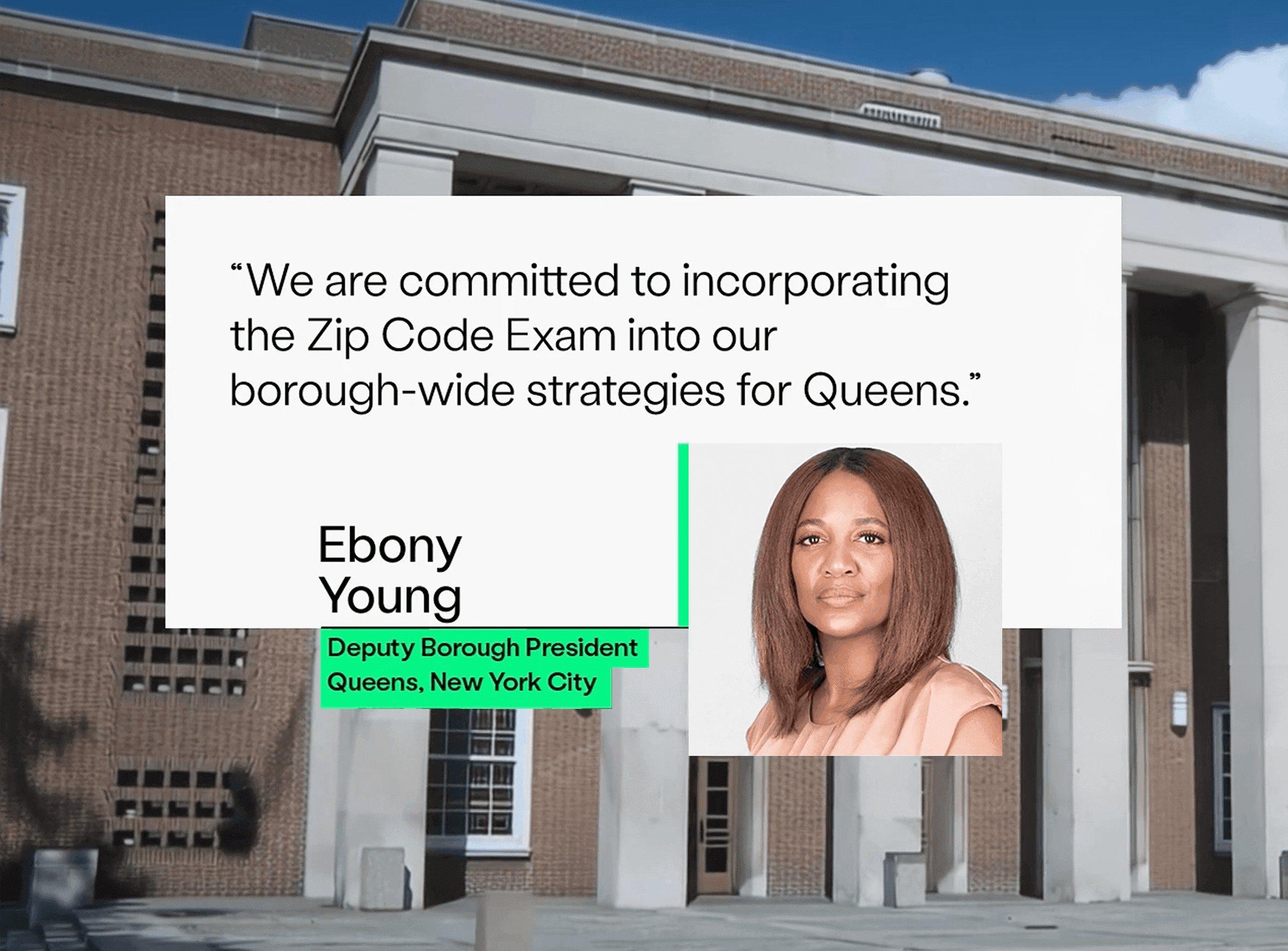
We turned health data into civic action. What began as a static report became an end-to-end experience guiding users from discovery to direct outreach with local leaders.
Great design bridged the gap between awareness and action, giving people the tools to change how where you live affects how long you live.
Conclusion
We turned health data into civic action. What began as a static report became an end-to-end experience guiding users from discovery to direct outreach with local leaders.
Great design bridged the gap between awareness and action, giving people the tools to change how where you live affects how long you live.
Next Steps
Extend Local Action Tools
Integrate SMS/email sharing, pre-written templates, and policy resources to deepen civic engagement.
Improve Report Personalization
Add filters for health indicators, age groups, or neighborhood comparisons.
Scale to More Cities
Analyzed responses highlighting underutilized features like real-time alerts and location tracking.
Next Steps
Extend Local Action Tools
Integrate SMS/email sharing, pre-written templates, and policy resources to deepen civic engagement.
Improve Report Personalization
Add filters for health indicators, age groups, or neighborhood comparisons.
Scale to More Cities
Analyzed responses highlighting underutilized features like real-time alerts and location tracking.
For more information on the design process or to view additional work, feel free to email me directly.
For more information on the design process or to view additional work, feel free to email me directly.
For more information on the design process or to view additional work, feel free to email me directly.
Let's build something together
Let's build something together
Let's build something together
Let's build something together
©2026 Tatiana Studio LLC
©2026 Tatiana Studio LLC
©2026 Tatiana Studio LLC